
Domain name scam warning: fake renewal and registration notices
By the ITLAW Team · Updated November 2026 · General information, not legal advice
In short
- Scam emails claim someone is about to register your name in another country or extension, urging you to buy it first.
- Fake “renewal” invoices look official but come from companies you have never dealt with.
- Only renew through your existing registrar, and check expiry dates yourself.
Holders of .com.au and other domain names have been targeted by misleading emails for years, and the tactics keep evolving. They rely on urgency and confusion about how domain names work.
Common scams
- “Someone wants your name” emails: a company, often claiming to be a registrar in Asia, says a third party has applied to register your brand as a domain or “internet keyword” in another country, and offers to let you register it first. These are sales tactics. You are not required to register your name in other extensions.
- Fake renewal notices: official-looking letters or emails about “domain renewal” or “search engine registration” from a provider you do not use. Paying may transfer your domain to them or buy a worthless service.
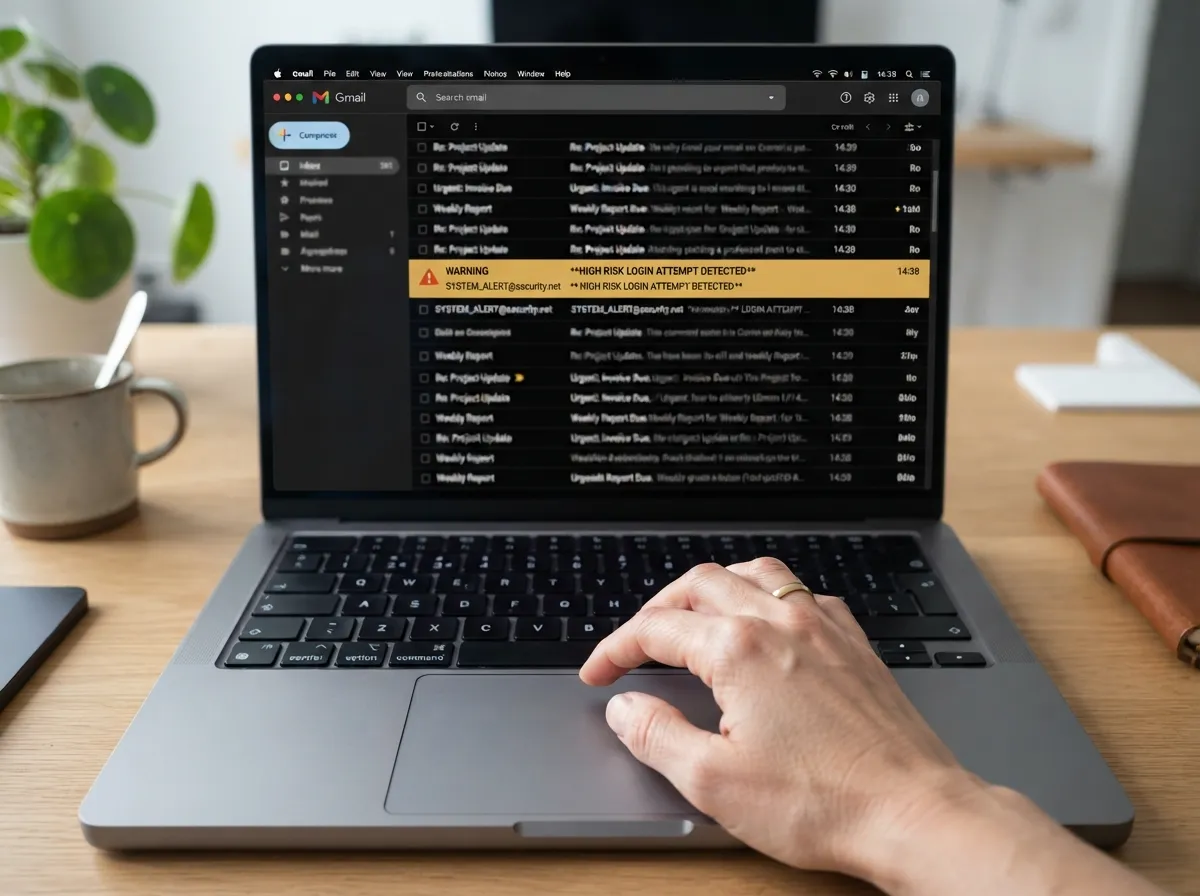
- Phishing: messages that appear to come from your registrar and ask you to log in through a link, to steal your account and redirect your website and email.
How to protect your domains
- Keep a record of every domain, its registrar and expiry date.
- Register domains in the business’s name, not an employee’s or developer’s.
- Turn on auto-renewal and multi-factor authentication with your registrar.
- Never renew through a link in an unexpected email: log in to your registrar directly.
- Report scams to Scamwatch and, for .au names, check auDA guidance.
For the rules on who can hold a .au domain and how domain names relate to trade marks, see our IP and domain names guide.
Need advice?
Our guides are general information. For advice on your circumstances, send us an enquiry and an ITLAW lawyer will get back to you, usually within one business day.